






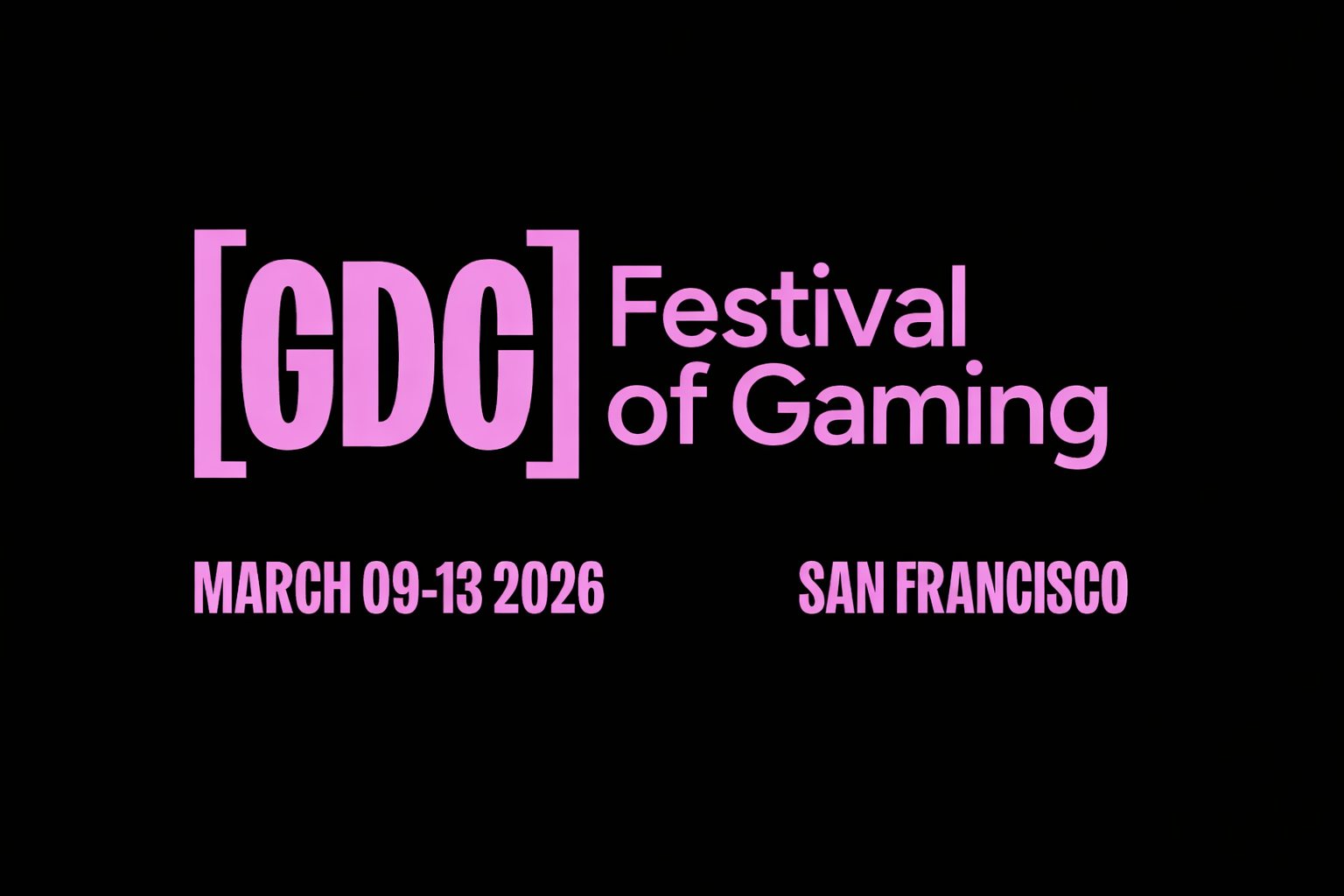
March 14, 2026 – The 2026 Game Developers Conference (GDC) has just concluded, leaving the gaming world buzzing with excitement. This year’s event, which attracted over 20,000 attendees, was more than just a conference—it was a celebration of gaming innovation. As developers, enthusiasts, and industry leaders gathered in San Francisco, five major takeaways from the 2026 Game Developers Conference defined the event. Let’s dive into what made this year’s GDC stand out and what it means for the future of gaming.
According to coverage from Bloomberg, the 2026 Game Developers Conference was packed with announcements, showcases, and insightful panels. The event underscored the growing influence of indie games, the rise of AI-powered development tools, and the ongoing expansion of virtual and augmented reality in gaming experiences.
Key Takeaways from the 2026 GDC – H2
1. The Rise of AI-Powered Development Tools at GDC 2026 (H3)
The impact of artificial intelligence (AI) was felt throughout the 2026 Game Developers Conference, with several companies unveiling new AI-powered development tools. These tools aim to streamline the creation of complex game mechanics, such as NPC behavior and world-building. Developers now have the opportunity to create more immersive and dynamic environments, saving time and cutting costs.
“AI is no longer just a tool for enhancing gameplay,” says Riley Longman, CEO of Quantum Studios. “It’s becoming integral to the creation of game worlds. Developers can now use AI to personalize experiences for players and adapt content in real-time.”
2. Indie Games Take Center Stage at the 2026 GDC (H3)
Indie games were a major highlight at the 2026 Game Developers Conference. As reported by Polygon, smaller developers were given a platform to showcase their innovations. Indie games, often driven by creative storytelling and unique art styles, continue to push the boundaries of what’s possible in gaming. From the highly anticipated Lunar Reverie to the unexpected hit Pixel Chronicles, indie games were everywhere.
The growing influence of indie games at GDC shows how creativity and fresh perspectives are reshaping the future of gaming.
3. The Festival of Gaming: GDC’s Rebranding and Massive Growth (H3)
This year’s 2026 Game Developers Conference wasn’t just a traditional conference—it was rebranded as the “Festival of Gaming.” This new identity reflects the growing importance of gaming culture beyond just development. As noted by Game Developer, the event attracted over 20,000 attendees, setting a new attendance record and becoming one of the largest gatherings in GDC history.
This massive turnout highlights how gaming has permeated every facet of modern culture, from film to technology.
4. Virtual and Augmented Reality: A Game-Changer at GDC 2026 (H3)
The future of gaming is increasingly intertwined with virtual and augmented reality (VR/AR). At the 2026 Game Developers Conference, several companies demonstrated groundbreaking VR/AR experiences that pushed the boundaries of immersive gameplay. With the rise of high-powered VR headsets and AR applications, players can now experience their favorite games in ways that were once unimaginable.
One standout moment was the VR demo of Reality’s Edge, a multiplayer game set in a fully immersive sci-fi universe. The demo’s realism left many attendees in awe. VR and AR are fast becoming essential tools in game development, with companies like Meta and Sony heavily investing in these technologies.
5. New Partnerships and Funding: Shaping the Next Generation of Games (H3)
As the gaming industry continues to expand, new partnerships are playing a key role in driving the next generation of games. From large publishers to independent studios, collaboration was a major theme at 2026 Game Developers Conference. Notable partnerships included Microsoft’s funding of several indie studios and a new deal between Epic Games and VR companies. These collaborations are expected to lead to groundbreaking titles in the years to come.
Industry Expert Insight on GDC 2026

“The gaming industry is entering a new era,” says Matt Johnson, senior game designer at Cyber Forge Studios. “With AI, VR, and unprecedented collaboration between major players and indie developers, the potential for innovation is limitless. The 2026 Game Developers Conference is just the beginning.”
GDC 2026 by the Numbers:
- 20,000+ Attendees: This year’s 2026 Game Developers Conference set a new attendance record, reflecting the growing influence of gaming in both culture and business.
- 500+ Games Showcased: Over 500 games, including both indie and AAA titles, were presented at GDC 2026.
- New Partnerships Announced: The festival saw dozens of new funding and partnership deals between developers and tech companies.
What’s Next for Gaming? The Future of Gaming Post-GDC 2026
The 2026 Game Developers Conference not only celebrated the current state of the industry but also looked to the future. With AI transforming game development and VR/AR becoming a dominant force, the gaming world is on the verge of a major technological leap. As the line between gaming and reality continues to blur, developers will need to innovate further, pushing the boundaries of interactive and personalized experiences. The future of gaming is immersive, dynamic, and highly engaging—what we saw at GDC 2026 is just the beginning.
Frequently Asked Questions (FAQs)
1. What were the major trends at the 2026 GDC?
The major trends at GDC 2026 included the rise of AI-powered development tools, the growing prominence of indie games, and the continued expansion of VR and AR technologies.
2. How many people attended GDC 2026?
This year’s GDC saw over 20,000 attendees, making it one of the largest gatherings in the conference’s history.
3. What role does AI play in game development?
AI is transforming game development by enabling the creation of dynamic worlds, smarter NPCs, and more personalized experiences for players. AI is becoming a key tool for developers to create more immersive gameplay.
4. How are indie games shaping the future of gaming?
Indie games are pushing the boundaries of creativity and innovation, offering fresh ideas, unique art styles, and storytelling approaches that are inspiring both developers and players.
5. What can we expect from the future of VR and AR gaming?
The future of VR and AR gaming looks incredibly exciting, with more immersive experiences and the potential for full sensory engagement. Expect to see these technologies integrated into both gaming and everyday life in the coming years.